Acquiring Competencies
List of Acquired Competencies
The first concept that helped me to understand branding was the historical overview of logos being first established by the primitive civilization within cave paintings and stampings of cattle to display ownership (Briciu et al., 2016).
Concepts and theories were mostly derived from weekly research of a component within design. For example, uncovering information from a demographic which in turn helps to humanize the consumer. In doing so, I was better able to make creative decisions that connected to an intended audience. Also, research was conducted to better understand client communication. Meaning, how to foster trust and support through paying attention to their desires and motivations. Designers may use these motivations as a guide to problems that they can solve through their illustrations. For example, understanding that teenagers have the need for acceptance and belonging drove many design decisions and imagery for The Support Circle. Imagery can be expressed below that reflects their need for acceptance:
Research was also done to deeply understand what makes an audience loyal to a product or service. Case studies were examined such as Pepperidge Farm where there was a pivot of imagery that better connected with their target demographic i.e., (mothers shopping in a store or eating cookies at home as their guilty pleasure). An example can be found in the advertsment below:
Throughout this process, I learned the importance of balance, textual hierarchy, and typography to develop successful designs. There was also the implementation of taglines or slogans to convey the essence of a brand. I utilized this concept in The Support Circle by incorporating the slogan “A Place Where You Fit In.” During this program, I also learned how to develop and record for advertisements such as in the Lucky Dog Rescue Spotify Ad listed below:
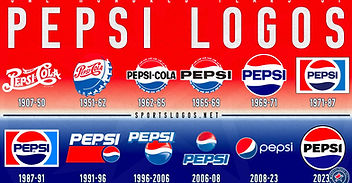
There was research on what makes a logo effective as well. As learned throughout my experience, logos can have a deep connection to a brand through semblance, shape, and color. Case studies were viewed to better understand the reasoning behind logos such as the NBC and Pepsi logo presented below:
Also, I also learned about audio logos and the characteristics that make sound logos memorable. Elements that contribute to this effectiveness often are centered around short sounds that express either a function of a product or the essence of a brand. For instance, the functional sound of Netflix when the product begins has been an extremely effective way of remembering the product in the audible logo expressed here:
Thus, I also developed audible logos with visual graphics for the previous proposed holidays that were mentioned as expressed below:
Furthermore, there was the development of the Onlyness Statement and conveying the voice/tone of the brand The Support Circle. The text by George Felton assisted in gaining a better understanding of what language to use to best cultivate an Onlyness Statement as well. From this knowledge, I was able to fully grasp the brand personality to be friendly, inclusive, youthful, and unique. Next, there was the creation of the Look and Feel of the brand by displaying the proposed color palette, imagery, and text for the Vision Board. From this information, there was a Style Guide and Playbook that was developed in latter weeks as well. Within this development, the logo underwent a series of vigorous thumbnail sketches, and refinements. Lastly, there was the creation of the logo and refinements within Illustrator and InDesign as previously addressed throughout the research, solving problems, and collaboration pages. Next, there were thumbnail sketches for brand assets and creation of those assets as well that were cultivated into the Brand Playbook. The sketches for the designs are as listed below:


Furthermore, they were able to understand their consumers through researching who their clients were to create advertisements that spoke to their unique motivations and desires. Moreover, designers can create positive relationships with companies throughout their design process by facilitating clear and consistent planning, expected deadlines for completing projects/assets, and cost for production. Without these elements, I learned that one may come across as unprofessional and unorganized to the public.
There was also the development of advertisements for specific holidays such as Juneteenth, Earth Day, and Kwanzaa and developing those illustrations into assets such as street posters as expressed below:
I utilized this knowledge by ensuring that an actual circle was included within my logo design and also the directional shape of triangles being presented as well.
Furthermore, there was an emphasis to understand the elements and principles of design for projects and how those aspects affect advertisement. For example, using them to captivate consumers towards an illustration through use of line or asymmetry. For instance, the use of implied line draws viewers in this Coca Cola advertisement expressed below:
Following the BrandPlaybook, refinements were made as presented in the collaborations page as well. As it relates to this current course, applications were mainly derived from instructor feedback and peer responses found within the discussions and the group presentation. The peer feedback I found to be extremely helpful to my creative process by the suggestions of adding textual hierarchy and paying more attention to detail as it related to the margins and column layout within the web pages.
Strategies learned were developed from understanding ways in which designers can test the effectiveness of visuals. For instance, some methods of evaluation can be through surveys, polls, and record of comments, likes, and shares within social media. Therefore, I learned how to use quantitative and qualitative research to measure whether a design was receptive towards an audience.
Next, I learned about elements of copywriting by creating advertisements for LuckyDog Rescue as presented below:
Applications that I mostly acquired knowledge and use of were through Adobe software primarily within Photoshop, Illustrator InDesign, and AfterEffects. The use of applications first began with design with design challenge projects, where I was tasked to recreate patterns and illustrations through Adobe InDesign and Illustrator. An example of this can be seen in the three projects listed below of Alexander Girard’s work where I developed techniques within the Pen tool, shape builder, and Bezier curves.
Relevant Applications
In all honesty, I am unsure of the future as it relates to design. It is my hope to either teach Studio Art or to work within creative design in some capacity within an organization.
The list of relevant applications are as follows:
(1) If decided to teach Studio art the elements and principles of design will be helpful in teaching students.
(2) Understanding sound and motion graphics may also be relevant to teaching Studio Art depending on how those mediums can be integrated within materials and work.
(3) I have also learned the art of how to take and receive critiques which can be extremely important within teaching artistry.
(4) Researching to foster client trust which helps them to feel understood and acknowledged through my illustrations.
(5) Exceptional at listening to an audience's needs and desires which come across in advertisements by way of color, objects, and style.
(6) Providing audio commercials for projects where I develop a script based upon the motivations of the consumer.
(7) Knowledgeable of Photoshop when edit pictures and objects from original sources. For instance, using the object selection tool.
(8) Utilizing Illustrator in order to create vector images from the Pen tool and manipulating curves within the application.
(9) Usage of website applications such as Wix in order to create a professional website that reflects a brand.
(10) Creating a successful Brand Playbook that displays all elements of the brand story, specifications, and media applications.


Description of Relevant Applications
(1) Understanding the Elements
and Principles of Design
The elements (line, shape, form, space, color, texture, value) and principles (balance, contrast, emphasis, movement, pattern, rhythm, unity) of design act as the foundational building blocks for creating artwork. As a professor, I can help guide students through this foundational knowledge, helping them to understand how to manipulate these components in their own work. Familiarity with design concepts can allow me to communicate more effectively with students about their work. Understanding design principles and elements can also help students to identify and solve compositional problems in their artwork. Thus, addressing issues such as imbalance or lack of focal points, thus improving students’ problem-solving skills.
(2) Motion & Sound Graphics
understanding motion and sound relates to fine and modern art which often includes various media and allows students to create more dynamic and engaging pieces this integration reflects contemporary art practices and encourages students to explore multiple forms of expression sound and motion can profoundly enhance the narrative quality of visual art teaching students how to effectively use these elements which can help them to portray their artistic messages more powerfully in a way that resonate with intended audiences.
(3) Giving and Receiving Critiques
Critiques can be important when teaching studio art as a professor for several reasons firstly critiques give students valuable insight on their work aiding them improvement of their skills and artistic vision additionally critiques invite students to consider critical thinking about their work and the work of peers which in turn will foster a deep understanding of artistic concepts and techniques furthermore critiques promote a sense of community and collaboration within the studio art classroom allowing students to learn from each other and engage in meaningful discussions about art of critiques that play a crucial role in the learning process helping students to grow as artists and develop their creative abilities
(4) Researching Client Needs
Researching client motivation can be useful for creative design for several reasons. To begin, considering client motivations can allow me to explore illustrations that are tailored to the specific preferences of a client. This can in turn ensure that the final product exceeds expectations. Moreover, researching client needs can help me in the field of creative design by being able to identify a target audience and design assets that effectively communicate an intended message to an audience. By conducting extensive research, I can gain insights into the industry, market trends, and competitors, enabling me to develop designs that are relevant and competitive. Overall, understanding client desires are essential for creative designers to deliver successful and impactful design solutions that adhere to a client's objectives and resonate with their target audience.
(5) Reflecting Client Needs
Through Graphics
Within creative design, I can also reflect client motivations in their work by following a structured process which involves effective communication, collaboration, and understanding of the client's needs. Firstly, I will start by conducting substantial research in order to gain a deep understanding of the client's brand, target audience, industry, and competition. Thus, said research will help me to align their unique creative vision and preferences. Furthermore, I will engage in open and transparent communication with clients to gather feedback, clarify expectations, and address any concerns or revisions. By proactively involving the client in the design process, I will aim to ensure that the final product reflects the client's desires and meets their expectations.
(6) Creating Audio Advertisements
As a designer looking to create audio commercials for clients, there are steps that I will pursue to ensure a successful future. To begin, I will discuss the project with each client to clearly understand their goals, target demographic, and key message they desire to convey through their media. Secondly, I intend to produce compelling scripts that effectively communicate the voice and tone of the company that is concise, attractive, and aligned with the brand's tone and voice. Next, I will create a voice that matches the tone and style of the video. Lastly, I would include sound effects such as background music that will enhance the overall impact of the medium.


(X.com, 2024)
(X.com, 2024)
(Pepperidge Farm Milano TV Spot, n.d)


(7) Utilizing Photoshop
In the course of creative design, I can use Photoshop for a variety of tasks which include photo alterations, graphic design, and digital illustrations. Photoshop within design can offer a series of tools and features that can allow me to exercise manipulating images, creating visual effects, and designing graphics with precision and creativity. I can also use Photoshop to retouch photos, adjust colors, produce digital illustrations, design logos, posters, flyers, and other marketing materials, as well as, creating web graphics and social media content. Additionally, Photoshop can allow me as a designer to work within layers, masks, filters to achieve a professional appearance. Overall, Photoshop is a versatile tool that I can use to bring clients creative ideas to life by producing high-quality visual content for various purposes.
(8) Utilizing Illustrator
As a designer, I can use Adobe Illustrator for a variety of design tasks, specifically issues surrounding creating vector graphics. Illustrator is a powerful tool that can allow me as a Designer to create scalable graphics/illustrations, logos, and typography. Designers often utilize Illustrator in order to draw shapes, lines, and curves with precision. Additionally, Illustrator offers tools for working with text, reproducing patterns, and managing colors which make it have a reputation of being a versatile tool for creative design projects. As a Designer, I can also use Illustrator to create artwork for print/web, mobile, and additional digital platforms, as well as exporting designs in various file formats for various purposes. Overall, Illustrator is an extremely helpful tool that I can use as a Creative Designer to produce professional and high-quality vector-based designs for clients.
(9) Website Development through Wix Application
As a Creative Designer I can utilize Wix as a platform to produce professional websites with ease. Wix has the reputation of offering a user-friendly experience that allows designers to seamlessly customize templates, add images, text, and videos. Wix also provides access to many design tools, such as image editors, animative features, and design enhancers to strengthen the visual appearance of each website. Additionally, Wix offers many options related to mobile functions being user-friendly. In all, Wix is a versatile platform that I can use as a Creative Designer to showcase work, promote company services, and to create an unique online experiences for a brand.
(10) Creating a Brand Playbook
Brand Playbooks are seen as a valuable tool for Creative Designers when working with companies. Playbooks typically contain guidelines and instructions on how to portray client brand elements consistently across various platforms and mediums. By following the Brand Playbook, companies can ensure that their imagery aligns with the brand identity which should include colors, fonts, logos, and other visual components. As a result, this aids in maintaining the brand's consistency, which is necessary for developing brand recognition and trust among a target demographic. Additionally, Brand Playbooks provides Designers with a greater perspective into a client's brand values, tone of voice, and overall brand strategy. Thus, this skill will allow me to create guidelines that effectively communicate a brand's message. Overall, Brand Playbooks can help me as a Designer to deliver information that aligns with the client's brand identity and objectives.
References
Briciu, Victor-Alexandru & Briciu, Arabela. (2016). A BRIEF HISTORY OF BRANDS AND THE EVOLUTION OF PLACE BRANDING. Bulletin of the Transilvania University of Brasov. Series VII: Social Sciences • Law • Vol. 9 (58).
Pepperidge Farm Milano TV Spot, “A Fine Tasting” Featuring Hannah Waddingham, Song by Ron Gozzo. (n.d.). Www.ispot.tv. Retrieved July 27, 2024, from https://www.ispot.tv/ad/62mv/pepperidge-farm-milano-balanced-flavor-featuring-hannah-waddingham
x.com. (2024). X (Formerly Twitter). https://x.com/marklu2002/status/1247886967573843970
x.com. (2024). X (Formerly Twitter). https://x.com/sportslogosnet/status/1688936538346774530